Special situations · Alternative assets
An alphacreation firm.
Our returns come from specific, structural advantages — in situations most capital does not see, and few buyers are equipped to execute. They do not depend on market exposure, cycle timing or sector tailwinds.
→The central question- Four investment focus areas
- Fourteen core capabilities, held in-house
- One underwriting discipline
- Transactions sourced and negotiated privately
Our firm
We are price makers, not risk harvesters
There are two kinds of investment operation. Those that harvest beta — systematic, market-correlated returns. And those that manufacture alpha — asymmetric returns that cannot be explained by exposure to broad market factors.
Risk harvesters buy exposure to risk premiums and collect them over time. Price makers identify situations where the market has systematically mispriced an asset, understand precisely why, and extract that value through access, analysis and operational capability.
Who is on the other side of this trade, and what constraints are they facing? What asymmetries are in our favour that allow us to exploit those constraints?
These are not framing questions. They are the test. A vague answer to either is a valuation disagreement, not a structural opportunity — and valuation disagreements resolve when sentiment changes. Structural constraints do not.
The central questionHow we invest
Our first source of alpha is the acquisition itself.
ACQUSITION ALPHA
We focus on opportunities where there is a constraint on the seller: pressure that forces a transaction, complexity most capital will not do the work to understand, a profile outside most mandates, a need for discretion, or a clock. The constraint creates an opportunity to lock in alpha at acquisition that can be released once it is resolved.
WHEN WE CAN CAPTURE ACQUISITION ALPHA
Whether we can capture that difference turns on what specific asymmetries we can identify such as information that materially affects the situation, the analytical depth to work through the root problem, the structure to act while others are stalled, and skilled in-house teams that we know can do the work. We move forward only when we can name our asymmetrical advantage(s).
How the group works
Constructing the alpha chain to capture the full return on investment
We begin with the exit in mind
We see considerable distressed and special situation deal flow, and our initial assessment is driven by the ability to articulate a predictable exit
We underwrite before we commit.
Each situation is written up against the same discipline: what is wrong, what it costs to fix, what it is worth once fixed, and the exact asymmetries we control to capture alpha.
We use our own internal teams
The group's own teams — marketing, technology, construction, restructuring — carry the plan out, so the value the underwriting identified is captured efficiently.
Investment Focus Areas
Where we invest and operate
Each focus area is a profile of situation we know deeply, and all four run on the same core capabilities and the same back office, whose cost the group already carries.
Residential & commercial real estate
Althara
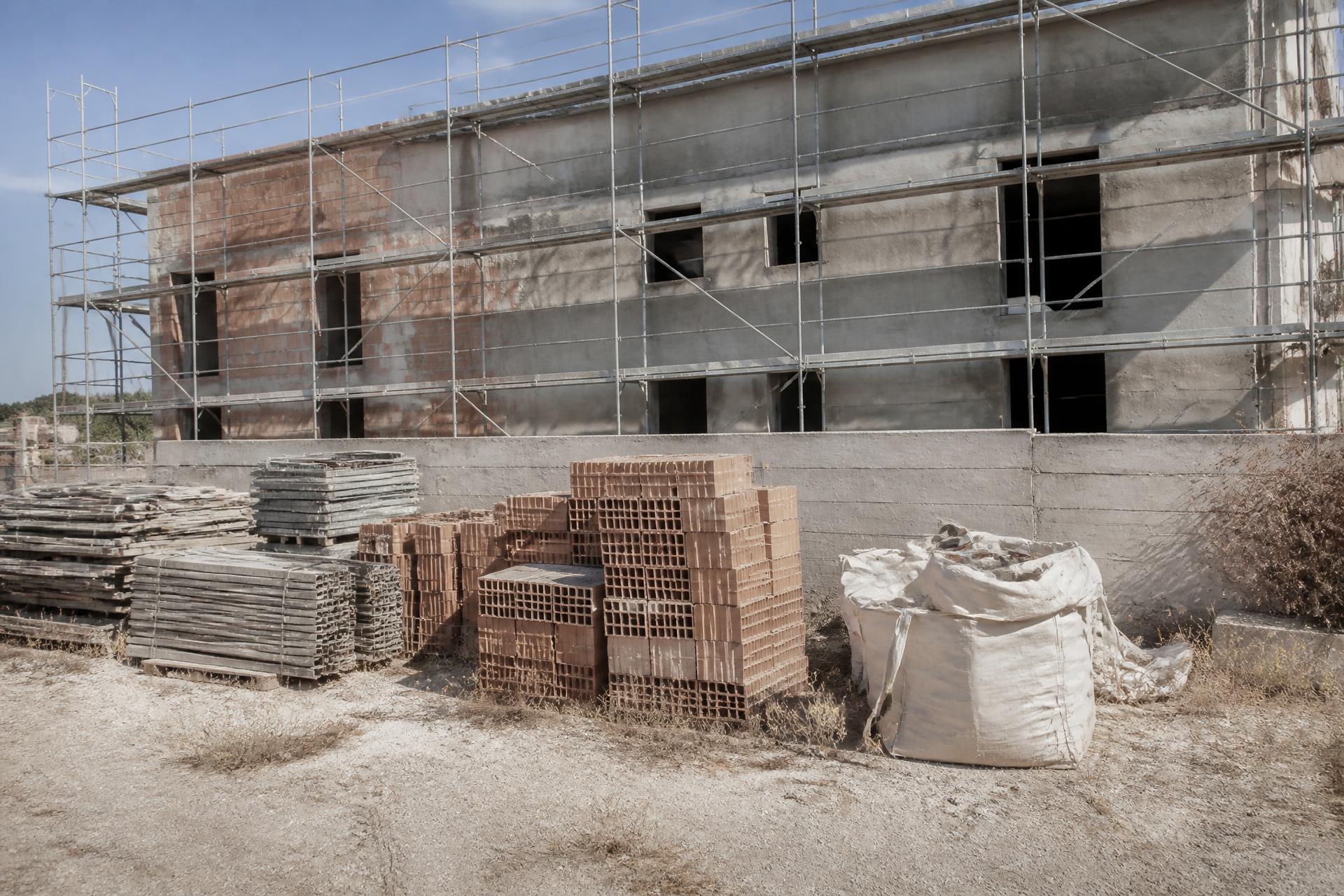
Residential and commercial property where planning, title or occupation is unresolved.
Restaurants & service businesses
Adark
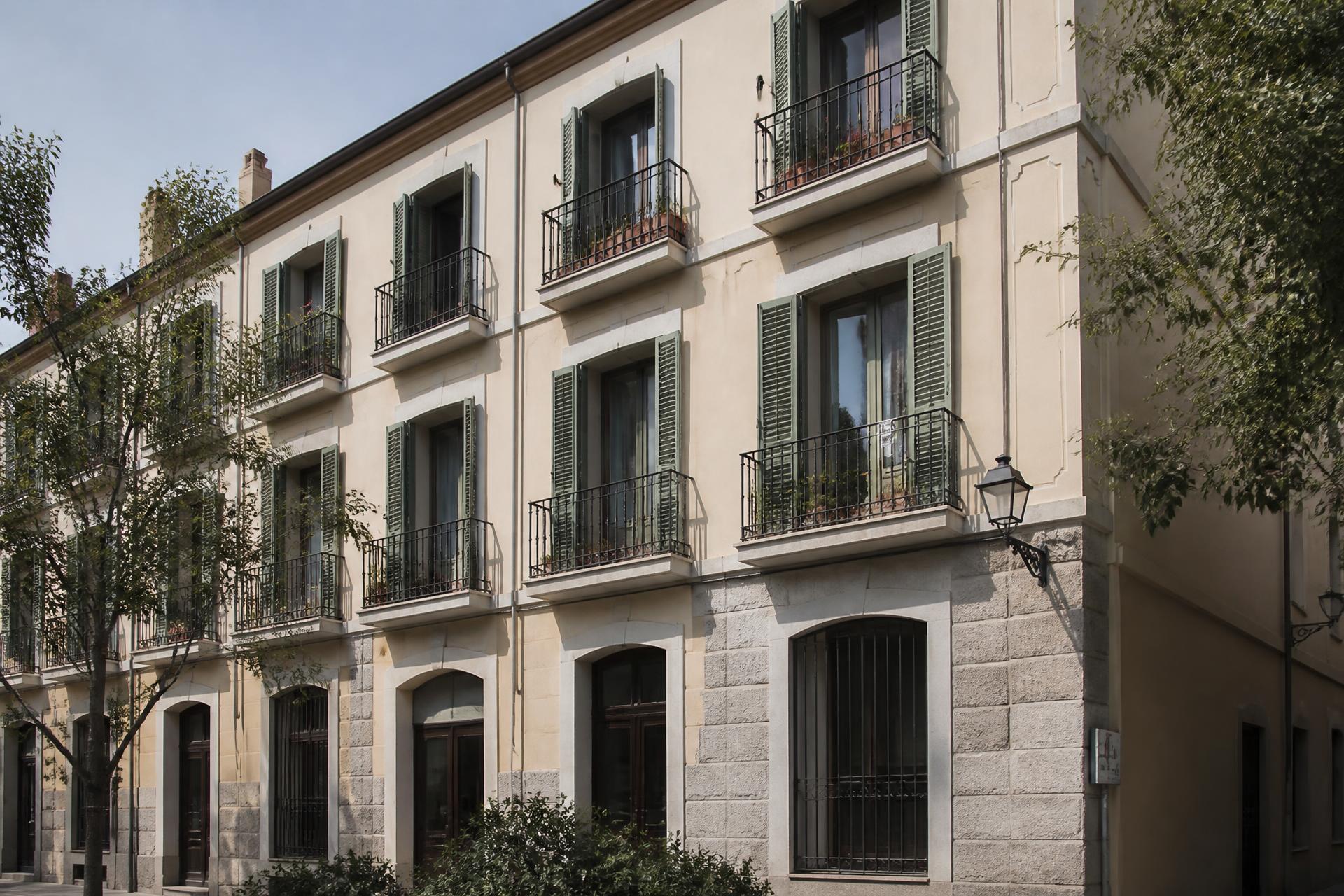
Trading businesses constrained by arrears, licensing or cost structures that were left uncontrolled.
Digital & AI-enhanced businesses
Digitara
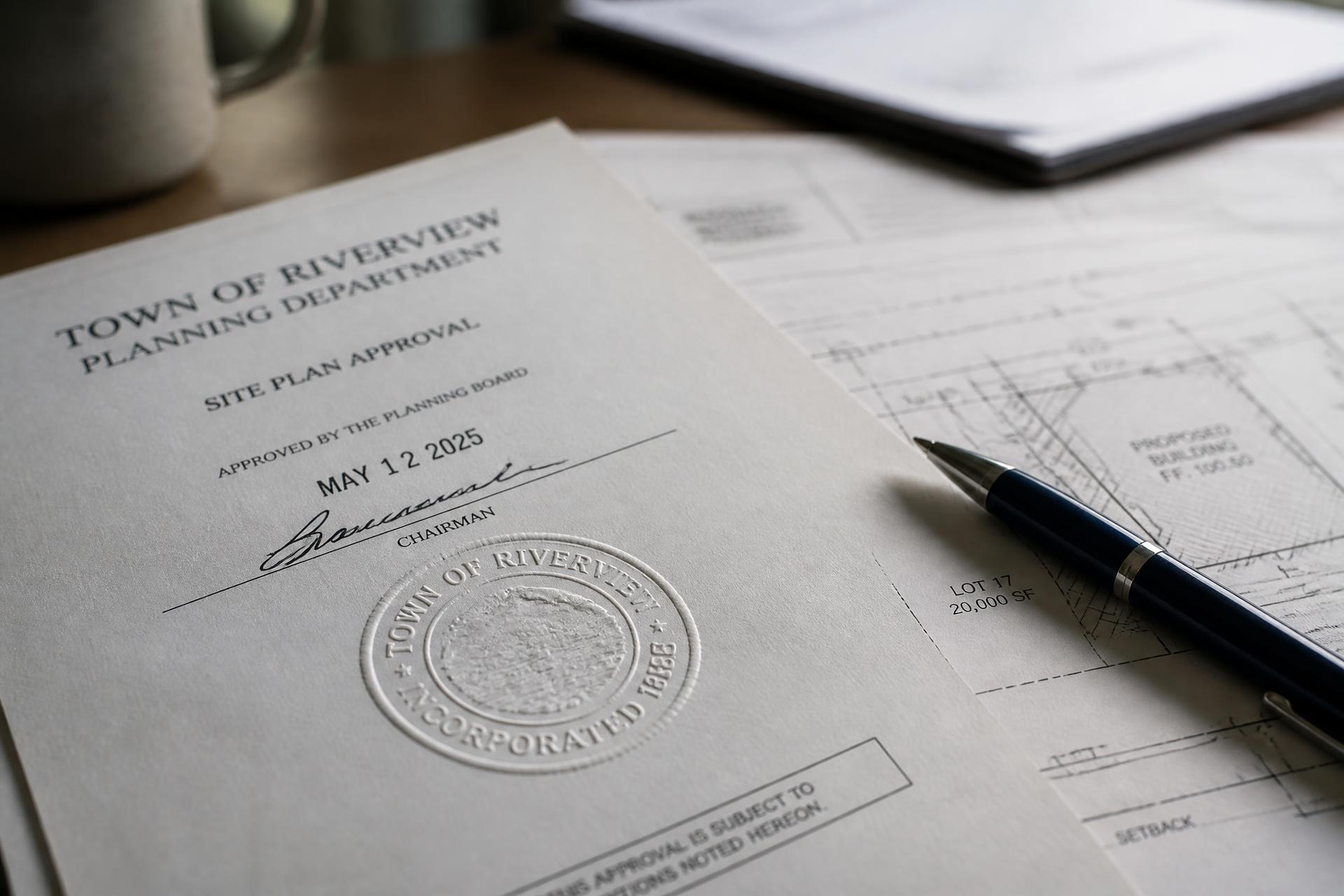
Platforms with established users and revenue but no strategic ownership, and businesses where technology changes the operating model.
Hospitality & resorts
Ventoré
Larger and cross-border situations, frequently beginning with establishing what is genuinely owned and owed.
Althara
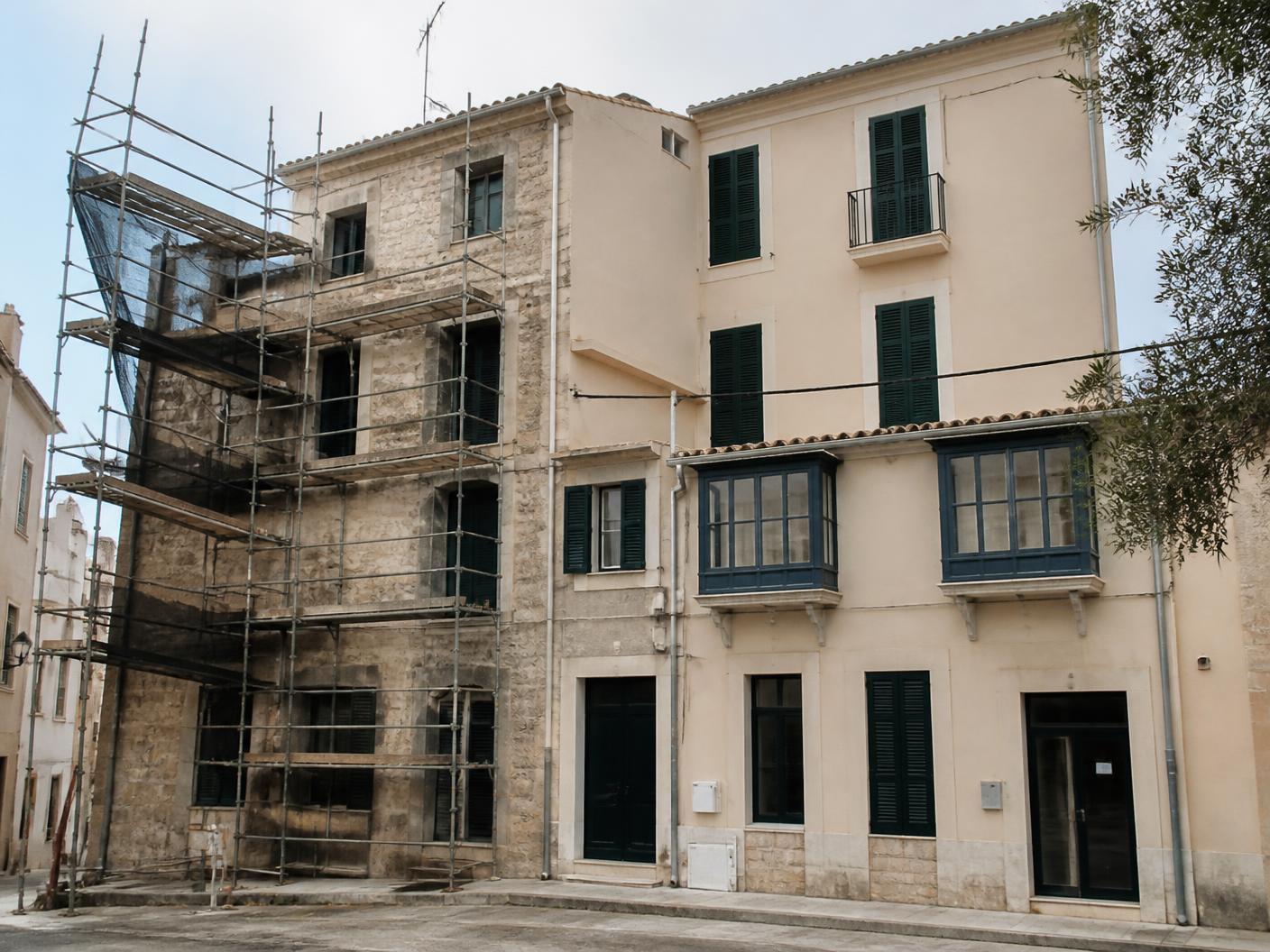
Residential and commercial property where planning, title or occupation is unresolved.
Typically an unissued consent, an unclear title, or unresolved occupation, worked through to a finished, financeable asset.
Where the problem sits
- Planning position
- Title and encumbrance
- Occupation and possession
Planning and title
Crisis Management
Some businesses do not need capital.
They need crisis management.
GDP's crisis management division handles crisis and change management for the group's own portfolio and for outside businesses: stabilising the position, establishing the facts, and executing the changes that restore viability — discreetly.
The system
GDP C.A.P.T.U.R.E
How each situation is assessed, underwritten and accounted for — from first sight of a deal to realised return. One discipline, applied to the whole book.
Inside C.A.P.T.U.R.E- 01Core Alpha PerformanceHow the group is performing at creating value, measured continuously across the whole portfolio rather than deal by deal.
- 02Transaction UnderwritingThe full assessment that runs before capital moves: the situation, the plan, the budgets, the risks, and the case for why the group should own the problem.
- 03Returns EngineWhere the value stands on every holding: what has been captured, what remains, what it will cost to capture it, and what that implies for hold, accelerate or realise.
Investors
We give access to our deal flow to a small number of capital allocators.
We often give access to our deal flow to selected capital allocators. Our approach to sequentially derisking situations along an alpha chain means that allocators can participate at stages that match their mandate.
By the time a situation is presented to an investor within out GDP C.A.P.T.U.R.E system, the underwriting work is done, the constraints are mapped and the alpha chain is built. The return at each stage traces to resolution of the specific constraints resolved.
Investors who want access to situations that they would not ordinarily see and who lack the capacity transform the asset look to GDP for their strong, pure alpha allocations.